Somewhere around the end of December of 2019, some patients having symptoms of flu like illness were registered in hospitals at Wuhan, China, the infecting organism remained unknown as preliminary etiological agents suspected like influenza or an other respiratory virus or infection. To identify the pathogen responsible, for every patient, a metagenomic RNA sequencing sample was done. The complete viral genome data suggested, this is a new RNA virus related to the family “Coronaviridae” which was later on designated as ‘2019-nCoV’ or Novel CoV-19. This analysis revealed that this virus has more than 89% genomic similarity with a SARS-like bat coronaviruses which belongs to Sarbecovirus subgenus and Betacoronavirusgenus.
Kumar, R., Nagpal, S., Kaushik, S. et al. COVID-19 diagnostic approaches June 2020 https://link.springer.com/article/10.1007/s13337-020-00599-7
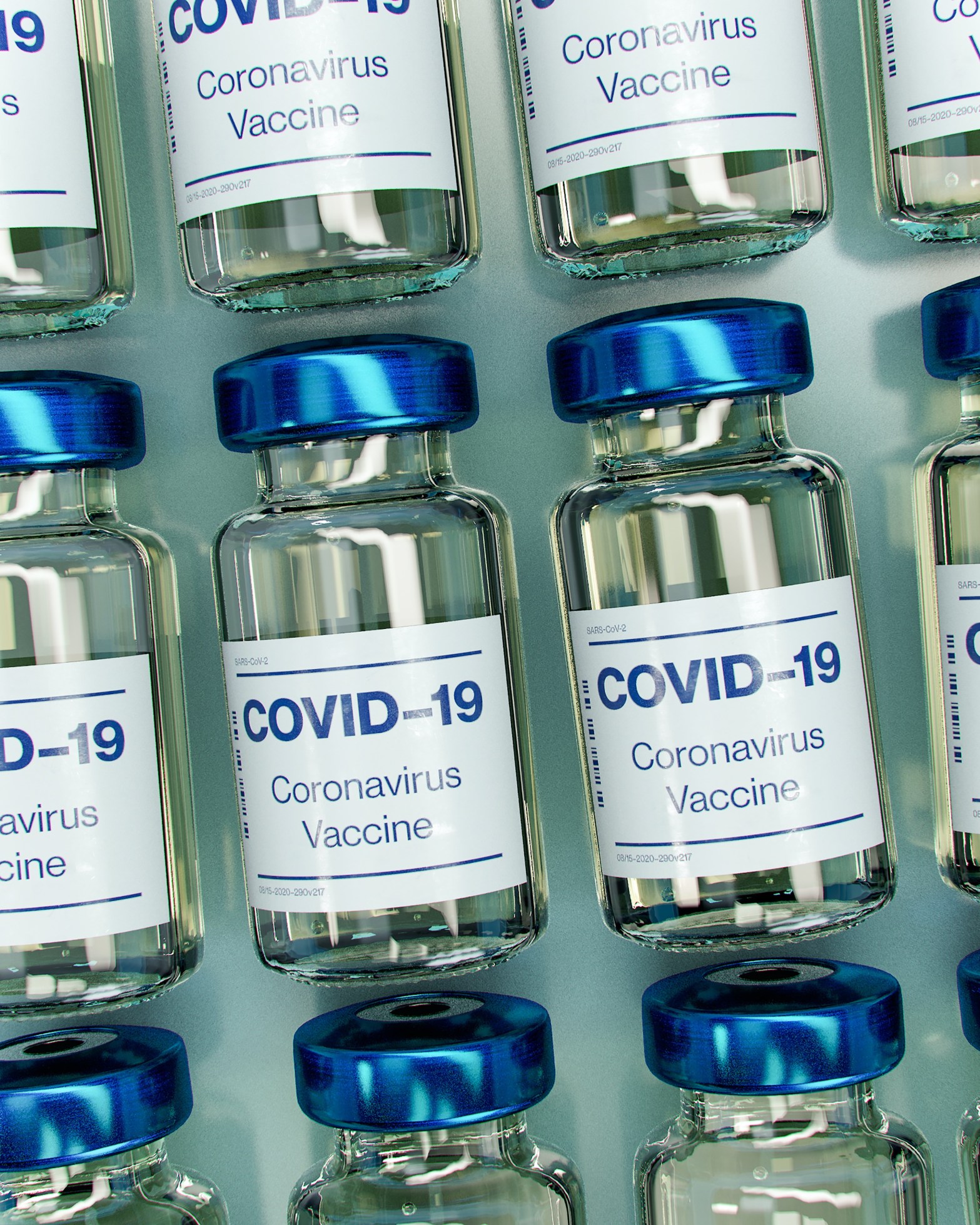
COVID-19 vaccines are a very new project but mRNA vaccines have been studied before for flu, Zika, rabies, and cytomegalovirus, this meant that as soon as the necessary information about the virus that causes COVID-19 was available, scientists began designing the mRNA instructions for cells to build the unique spike protein into an mRNA vaccine. These are a new type of vaccine to protect against infectious diseases. To trigger an immune response, many vaccines put a weakened or inactivated germ into our bodies. Not mRNA vaccines. Instead, they teach our cells how to make a protein, or even just a piece of a protein. This triggers an immune response inside our bodies. That immune response, which produces antibodies, is what protects us from getting infected if the real virus enters our bodies.

“The cell breaks down and gets rid of the mRNA soon after it is finished using the instructions.”
Dec. 18, 2020 https://www.cdc.gov/ncird/index.html
 COVID-19 DNA and RNA structure