Introduction

Somewhere around the end of December of 2019, some patients having symptoms of flu like illness were registered in hospitals at Wuhan, China, the infecting organism remained unknown as preliminary etiological agents suspected like influenza or an other respiratory virus or infection. To identify the pathogen responsible, for every patient, a metagenomic RNA sequencing sample was done. The complete viral genome data suggested, this is a new RNA virus related to the family “Coronaviridae” which was later on designated as ‘2019-nCoV’ or Novel CoV-19. This analysis revealed that this virus has more than 89% genomic similarity with a SARS-like bat coronaviruses which belongs to Sarbecovirus subgenus and Betacoronavirusgenus.

Kumar, R., Nagpal, S., Kaushik, S. et al. COVID-19 diagnostic approaches June 2020 https://link.springer.com/article/10.1007/s13337-020-00599-7

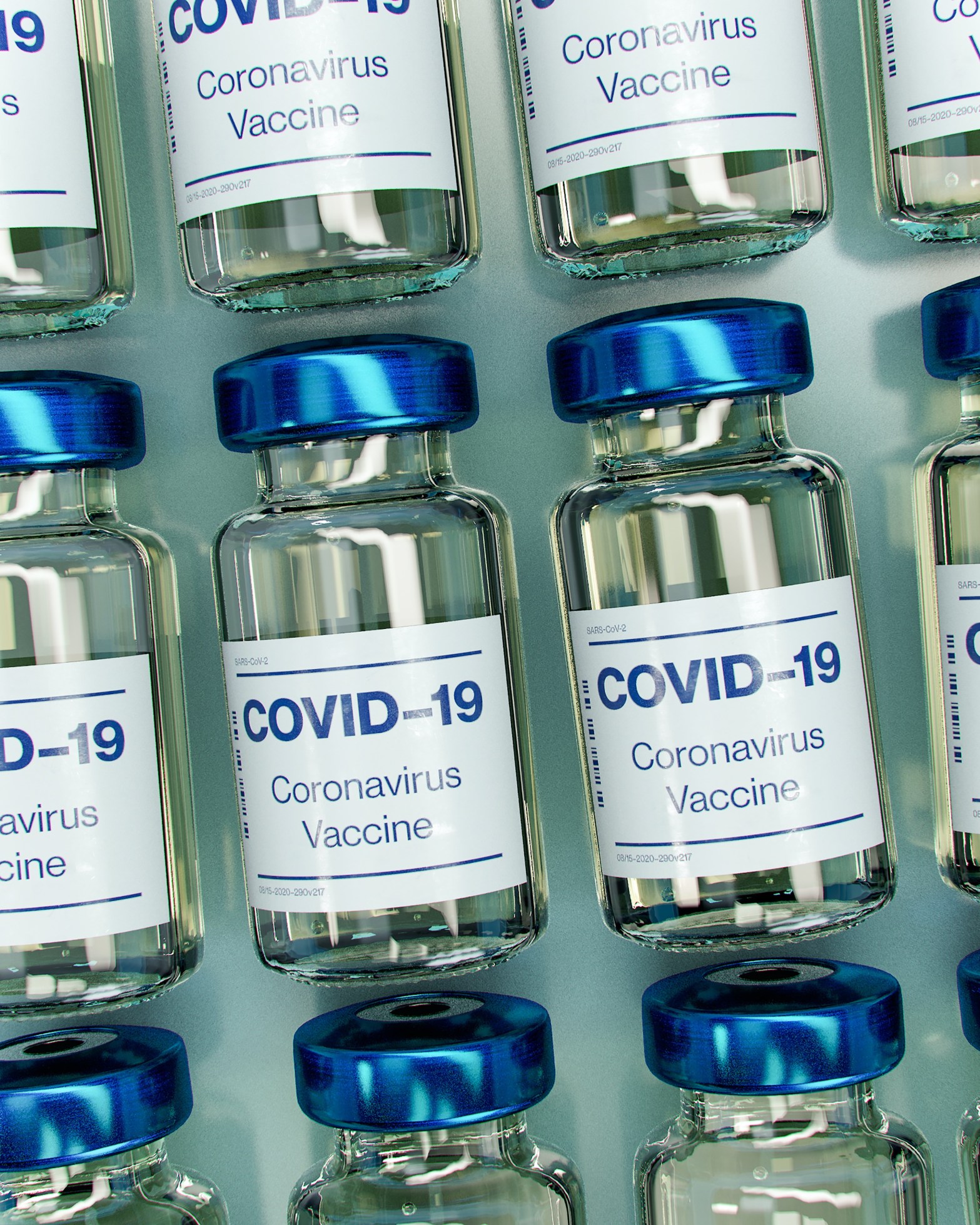
COVID-19 vaccines are a very new project but mRNA vaccines have been studied before for flu, Zika, rabies, and cytomegalovirus, this meant that as soon as the necessary information about the virus that causes COVID-19 was available, scientists began designing the mRNA instructions for cells to build the unique spike protein into an mRNA vaccine. These are a new type of vaccine to protect against infectious diseases. To trigger an immune response, many vaccines put a weakened or inactivated germ into our bodies. Not mRNA vaccines. Instead, they teach our cells how to make a protein, or even just a piece of a protein. This triggers an immune response inside our bodies. That immune response, which produces antibodies, is what protects us from getting infected if the real virus enters our bodies.

“mRNA never enters the nucleus of the cell, which is where our DNA (genetic material) is kept.”

“The cell breaks down and gets rid of the mRNA soon after it is finished using the instructions.”

Dec. 18, 2020 https://www.cdc.gov/ncird/index.html

Main content

The importance of DNA and RNA structure in COVID-19

Before describing the importance of knowing the DNA and RNA structures of the virus, let’s briefly explain what this is.

The DNA is a complex, long-chained molecule that contains the genetic ‘blueprint’ for building and maintaining all living organisms. Found in nearly all cells, DNA carries the instructions needed to create proteins (used to exterminate viruses), specific molecules essential to the development and functioning of the body and transfers hereditary information between generation to generation.

The DNA is the central to biotechnology and medicine. It does not only provides the basic blueprint for all life, it is a fundamental determinant of how the body functions and the disease process. The understanding of the structure and function of DNA has helped revolutionise the investigation of disease pathways, assess an individual’s genetic susceptibility to specific diseases and diagnose genetic disorders. This has also helped critically to the identification of pathogens.

SparanoGenomic Health, https://www.whatisbiotechnology.org/index.php/science/summary/dna/

The COVID-19 pandemic has boosted the research to the coronavirus and this has been an advantage to the discovery for a DNA blueprint to eliminate this virus. Coronaviruses possess the largest genomes (26.4–31.7 kb) among all known RNA viruses, with G + C contents varying from 32% to 43%. Variable numbers of small ORFs are present between the various conserved genes and, downstream to the nucleocapsid gene in different coronavirus lineages. The viral genome contains distinctive features, including a unique N-terminal fragment within the spike protein. Genes for the major structural proteins in all coronaviruses occur in the 5′–3′ order as S, E, M, and N5

2020 Elsevier Taiwan LLC. https://www.sciencedirect.com/science/article/pii/S1684118220300827

And the main reason to know the structure of viruses is because a virus is able to encode all the information for making a relatively large capsid in a small number of genes. This efficient use of genetic information is important, since only a limited amount of RNA or DNA, and therefore a limited number of genes, can fit into a virion capsid.

This helps to understand the conduct of a virus and create a defense mechanism against many more diseases related to coronaviruses, related ones or even unrelated whom act similar.

2000, W. H. Freeman and Company. https://www.ncbi.nlm.nih.gov/books/NBK21523/

conclusion

During the process of this blog I had to research scientific sources to understand and acknowledge the beginnings of the virus COVID-19 and how the DNA and RNA structure is build, this also helped me to get my own conclusion about lots of things related to vaccines and medicine and how the DNA and RNA works and In my opinion I find it fascinating.

Finding everything scientists use to know more about DNA like various diagnostics principles, such as PCR involving RNA or DNA sequences, gel electrophoresis, enzyme-linked immunosorbent assay (ELISA) also called sandwich assay involving interaction of antigen antibodies, and other detection procedures coupled with fluorescent and or radioactive labeling has also given me more perspectives I can use when having biology classes.

This topic was easy to connect to the biology class since I already had the fundamental bases of how everything worked which gave me a tremendous advantage but this research done open my eyes even more.

References

Kumar, R., Nagpal, S., Kaushik, S. et al. COVID-19 diagnostic approaches June 2020 https://link.springer.com/article/10.1007/s13337-020-00599-7

Dec. 18, 2020 https://www.cdc.gov/ncird/index.html
SparanoGenomic Health, https://www.whatisbiotechnology.org/index.php/science/summary/dna/

2020 Elsevier Taiwan LLC. https://www.sciencedirect.com/science/article/pii/S1684118220300827

2000, W. H. Freeman and Company. https://www.ncbi.nlm.nih.gov/books/NBK21523/

Diseña un sitio como este con WordPress.com
Comenzar